
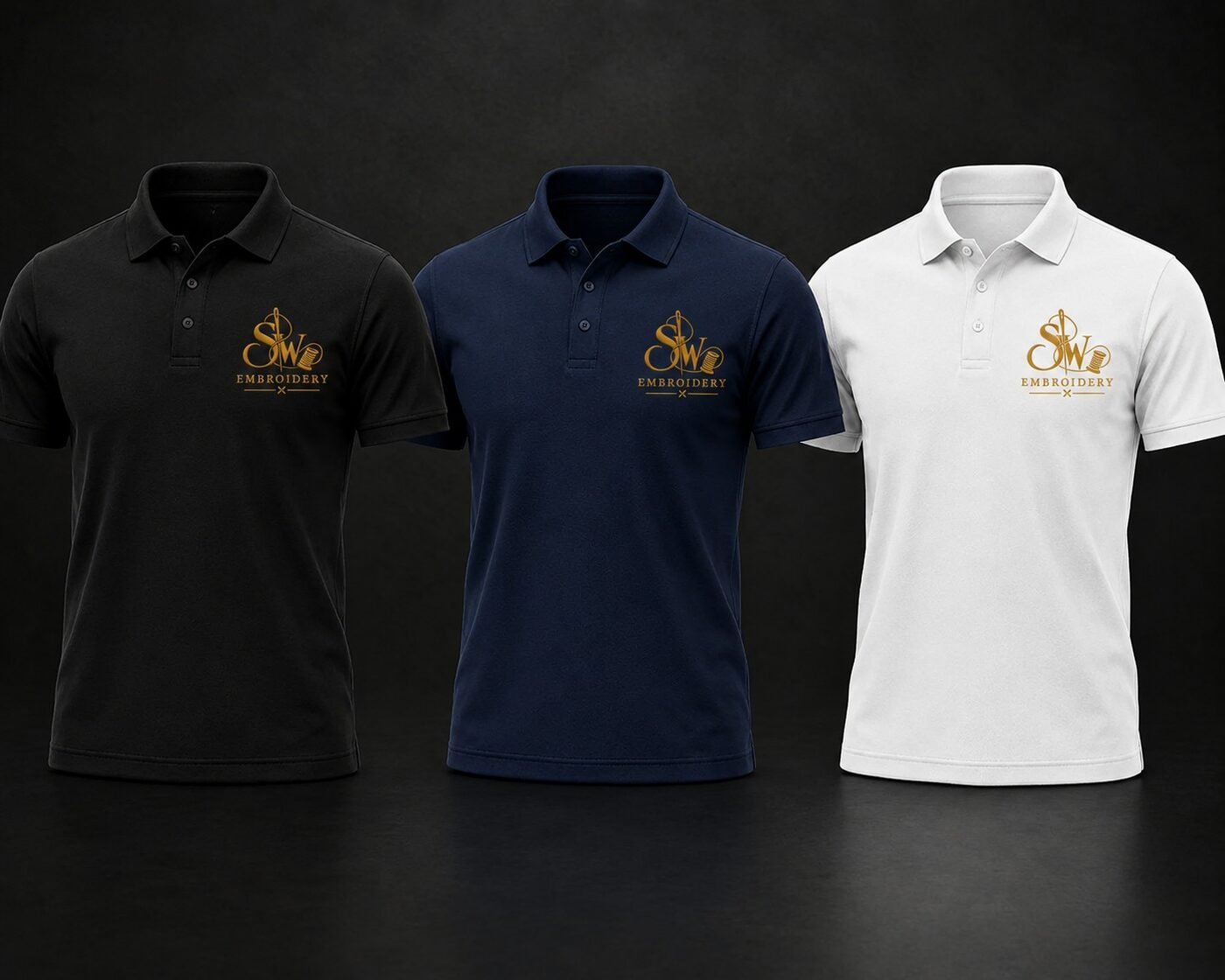
Patches on garments behave differently from patches on gear. A jacket goes through a wash cycle, a knitted beanie stretches, a woven shirt puckers if you stitch it wrong, and a commercial laundry destroys adhesive. If you are putting patches into a clothing line, those four facts set most of your decisions.
| Price | From $0.75 per piece |
|---|---|
| Minimum order | 50 pieces per design |
| Production | 10–12 business days standard; 5–7 rush, no extra charge |
| Shipping | Free, tracked, worldwide — usually 3–7 business days in transit |
| Proof | Free digital proof; nothing is made until you approve it |
| Payment | 50% deposit on proof approval, 50% before dispatch |
Wholesale patches for clothes: price by size and run
| Size | 50 pcs | 100 pcs | 300 pcs | 500 pcs | 1,000 pcs |
|---|---|---|---|---|---|
| 2 in | $2.95 | $1.85 | $1.10 | $0.95 | $0.75 |
| 2.5 in | $3.45 | $2.15 | $1.35 | $1.15 | $0.90 |
| 3 in | $3.95 | $2.55 | $1.60 | $1.35 | $1.05 |
| 3.5 in | $4.65 | $2.95 | $1.90 | $1.60 | $1.25 |
| 4 in | $5.35 | $3.45 | $2.25 | $1.90 | $1.55 |
| 4.5 in | $6.15 | $3.95 | $2.65 | $2.25 | $1.85 |
Prices are per patch and include digitizing, up to nine thread colours, a twill backing, a merrowed border and up to 50% embroidery coverage. Full coverage adds 15%, as does metallic, glow or neon thread. Sizes above 4.5 in and runs above 1,000 are quoted individually.
Apparel runs usually sit between 300 and 1,000 pieces per design, which is the part of the curve where the price has mostly flattened — so going from 300 to 500 saves you less than going from 50 to 100 did. If you are planning a season, the money is in deciding the quantity once rather than reordering in thirds.
Which construction suits which garment
| Garment | Construction | Backing | Why |
|---|---|---|---|
| Denim jacket, workwear | Embroidered | Sew-on | Heavy fabric takes a heavy patch; thread texture suits denim |
| Knitwear, beanies, sweats | Woven or thin embroidered | Sew-on | Knit stretches; a stiff patch over 2.5 in fights the fabric |
| Technical outerwear | PVC / rubber | Sew-on or hook | Waterproof, wipes clean, no wicking |
| Tees and light woven shirts | Woven or sublimated | Heat-seal | Thin and flexible; a thick patch distorts light fabric |
| Caps | Embroidered or leather | Sew-on | Curved panel; see hat patches |
| Varsity and letterman | Chenille | Sew-on | Scale and pile belong on wool |
| Uniform shirts (laundered) | Embroidered | Hook | Patch comes off before the wash; outlives the garment |
Custom embroidered patches for clothing wholesale: the weight problem
The mistake that costs apparel brands most often is a patch too heavy for its garment. A 4 in embroidered patch at full coverage weighs real grams and has almost no stretch. On a denim chest panel that is fine. On a jersey tee it pulls the fabric into a dimple that never hangs out, and on a knitted beanie it creates a stiff plate that the knit works against until the stitching gives.
Three ways out, in order of how often they are the right answer: go smaller; switch to woven, which is thinner and more flexible at the same size; or drop coverage below 50%, which both lightens the patch and takes 15% off the price. On stretch fabric, keep patches under 2.5 in and never place one across a seam that has to stretch.
Rubber and silicone patches for clothing
PVC has become the default for technical and streetwear lines, and for good reasons: it holds fine detail at small size, it is waterproof, it has physical relief, and it reads as modern rather than heritage. From $1.85 a piece. The things to know before you specify it are that a mould is cut per design, so design changes between runs are expensive, and that PVC does not breathe — a large PVC panel on the back of a jacket is a plastic sheet. Keep them under about 4 in.
Detail on PVC and rubber patches, with the softer alternative on silicone patches. If you want the look without the mould cost on a short run, sublimated patches at $1.25 get you full colour with no tooling.
Velcro patches for clothes: when it is right and when it is not
Hook backing belongs on garments where the patch must come off — uniform shirts, tactical outerwear, workwear going to a commercial laundry. It is wrong on retail apparel, where a customer does not want a scratchy panel on their jacket and a patch that can be lost. For retail, sew it. For uniform programmes, hook is close to a necessity, and custom Velcro patches covers the hook-and-loop side properly.
Commercial laundering, and what survives it
Industrial laundries run hotter, longer and with harsher chemistry than any domestic machine. What that rules out:
- Heat-seal adhesive. It will not survive repeated industrial cycles. Not a maybe.
- Peel-and-stick. Never appropriate for laundered garments at all.
- Metallic thread. Dulls and can abrade. Beautiful on a blazer badge, wrong on a workwear patch.
What survives: sew-on embroidered or woven patches with a merrowed edge, and hook-backed patches that are removed first. If your end client launders commercially, specify sew-on and say so at the quote stage, because it changes the border recommendation too — merrowed edges resist fraying far better than hot-cut ones under that kind of abrasion.
Designer patches wholesale: what we will not make
We will not reproduce another brand’s logo, a fashion house’s monogram, a sports crest or a licensed character, for anyone. These come up constantly in apparel sourcing and they are trademark infringement regardless of how the listing is worded. The practical point for you as a brand: a supplier willing to copy somebody else’s mark is a supplier who will copy yours.
Private labelling
Nothing we ship carries our name — no labels, no backing print, no inserts. Patches arrive boxed and plain, so they go straight into your own packaging or onto your production line without anything to remove.
Common questions
What is the minimum for an apparel run?
Fifty per design. Most clothing lines order 300 to 1,000.
Which patch is best on stretch fabric?
Woven, under 2.5 in, sewn, and not across a stretching seam.
Can you supply patches already applied to garments?
We supply patches, and finished caps where we have sourced the blanks. We do not apply patches to garments you send in.
Will the patches match across two seasons?
We keep the digitized file and the thread references, so a reorder has no set-up and lands within a shade. Dye lots can vary slightly between runs, so for a colour-critical match send a physical sample.
Iron-on or sew-on for a retail garment?
Sew-on. An iron-on patch that a customer applies badly becomes your return.
Can you do rubber patches with no minimum?
No — PVC needs a mould cut per design, so 50 is the floor. The reasoning is on patch minimum orders.
What do you guarantee on every order?
You see a digital proof before anything is stitched, and nothing goes into production until you approve it. Thread colours are matched to the proof, not approximated. If something arrives wrong because of us, tell us within 14 days of delivery and we remake it free. Shipping is free and tracked worldwide.
Get a free quote
Send the artwork, the size and the quantity — or just a photo of what you have in mind — and you will get a price and a digital proof back, both free. Email hello@sewwhatembroiderydesigns.com or message the WhatsApp number in the footer.