
CUSTOM PATCHES,
MADE TO ORDER.

Six reasons customers come back.
Free Digital Proof
Nothing goes into production until you have seen a proof of your patch and said yes to it.
Any Backing You Need
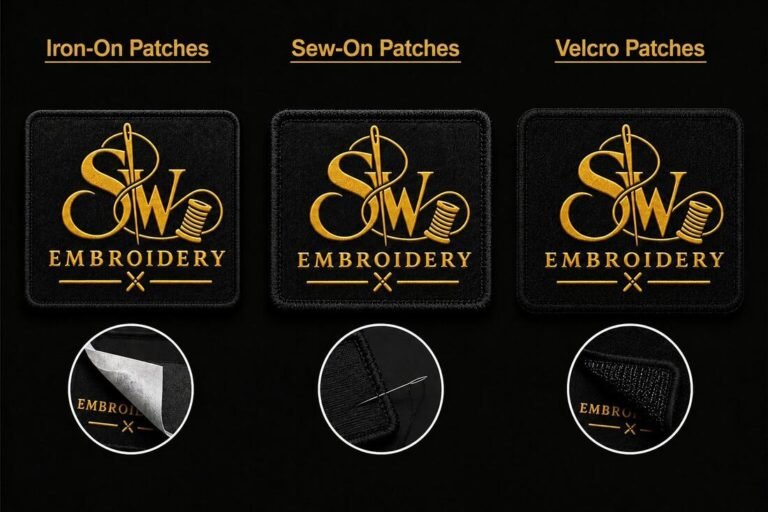
Iron-on, sew-on, Velcro, peel-n-stick, magnetic or button loop — chosen to suit the garment it is going on.
Colour Matched
Nine standard thread colours included on every order, with custom Pantone matching when the brand needs it.
Real Volume Pricing
Per-unit price is published, not hidden behind a form. Rates from 50 pieces, quoted up to 10,000.
Rush At No Extra Cost
Urgent runs are handled at the standard rate. Tell us the date you need them and we work back from it.
Shipped Worldwide
Tracked delivery anywhere — 10–12 business days as standard, 5–7 on a rush.
Every style, every use case.


Embroidered patch pricing.
| Size ↓ / Qty → | 50 pcs | 100 pcs | 300 pcs | 500 pcs | 1000 pcs |
|---|---|---|---|---|---|
| 2 inch | $2.95/ patch | $1.85/ patch | $1.10/ patch | $0.95/ patch | $0.75/ patch |
| 2.5 inch | $3.45/ patch | $2.15/ patch | $1.35/ patch | $1.15/ patch | $0.90/ patch |
| 3 inch | $3.95/ patch | $2.55/ patch | $1.60/ patch | $1.35/ patch | $1.05/ patch |
| 3.5 inch | $4.65/ patch | $2.95/ patch | $1.90/ patch | $1.60/ patch | $1.25/ patch |
| 4 inch | $5.35/ patch | $3.45/ patch | $2.25/ patch | $1.90/ patch | $1.55/ patch |
| 4.5 inch | $6.15/ patch | $3.95/ patch | $2.65/ patch | $2.25/ patch | $1.85/ patch |
Prices are per patch and include digitizing, up to 9 thread colours, twill backing and a merrowed border. Add 15% for 100% embroidery coverage or specialty threads. Quantities above 1,000 and sizes above 4.5 inch are quoted individually, up to 10,000 units.
See the full price list, style uplifts and what is included →
Pick your backing.
- Iron-On (heat seal)Fast, tidy, and permanent enough on cotton and cotton blends.
- Sew-On (plain back)The one that outlives the garment. Standard for uniforms.
- Velcro (hook & loop)Removable by design — tactical, service and swappable ID patches.
- Peel-n-StickTemporary placement for events, samples and photo shoots.
- MagneticNo holes at all. For garments you cannot pierce.
- Button LoopHangs from a button or strap. Popular on caps and bags.
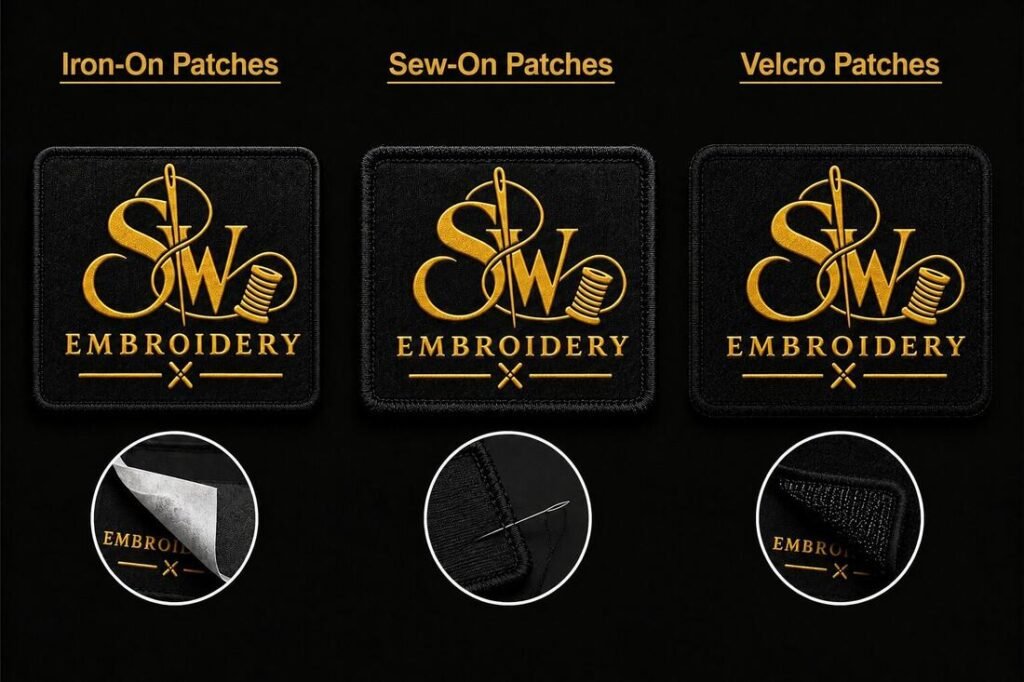
From one prototype to ten thousand units
- Embroidered
- Chenille
- Woven
- Leather
- PVC / Rubber
- Sublimation
- Metallic
- Digitizing
- Up to 9 thread colours
- Twill backing
- Merrowed border
- Free digital proof
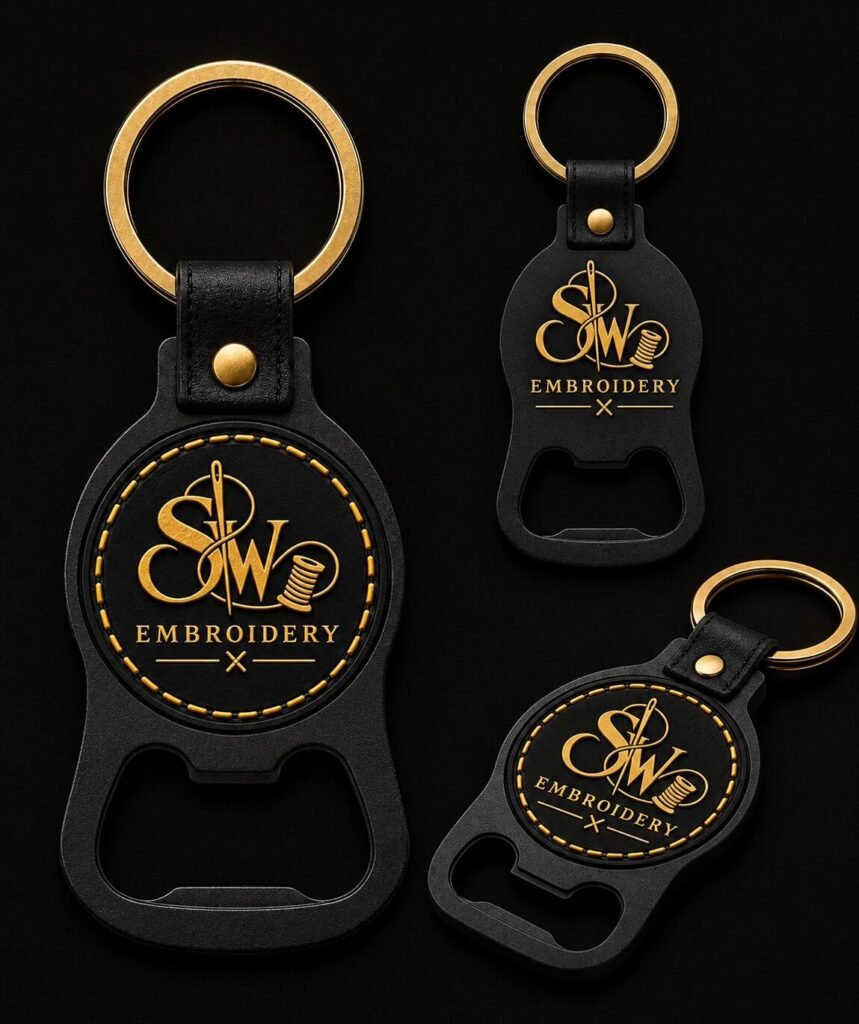
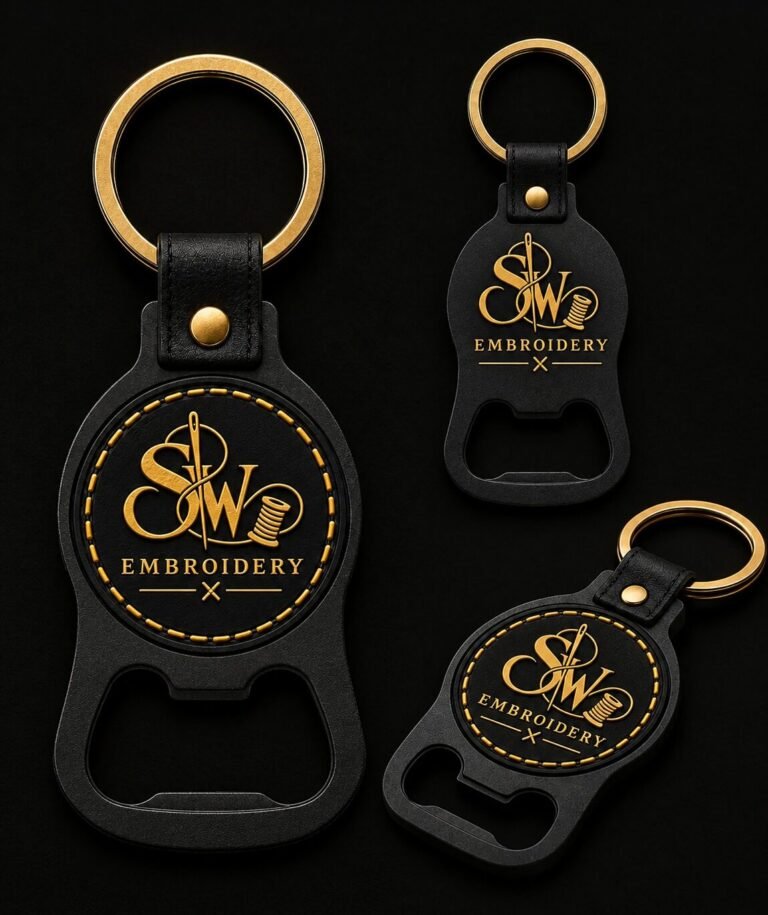
The same artwork, pocket sized
- Embroidered fob
- Leather strap fob
- Bottle opener
- PVC moulded
- Event giveaways
- Merch bundles
- Team and club gifts
- Retail add-ons
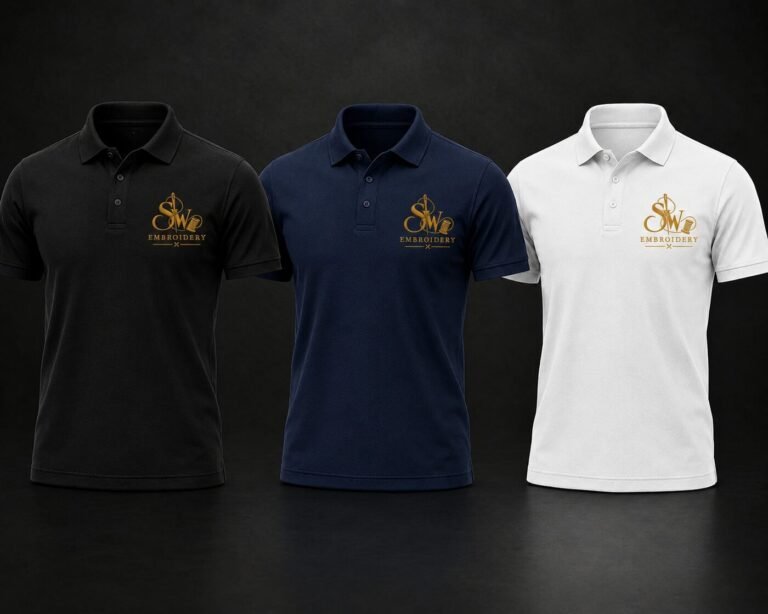
Left chest embroidery, done properly
- Left chest
- Sleeve
- Back yoke
- Name personalisation
- Direct embroidery
- Applied patch
- Printed logo
- Woven label
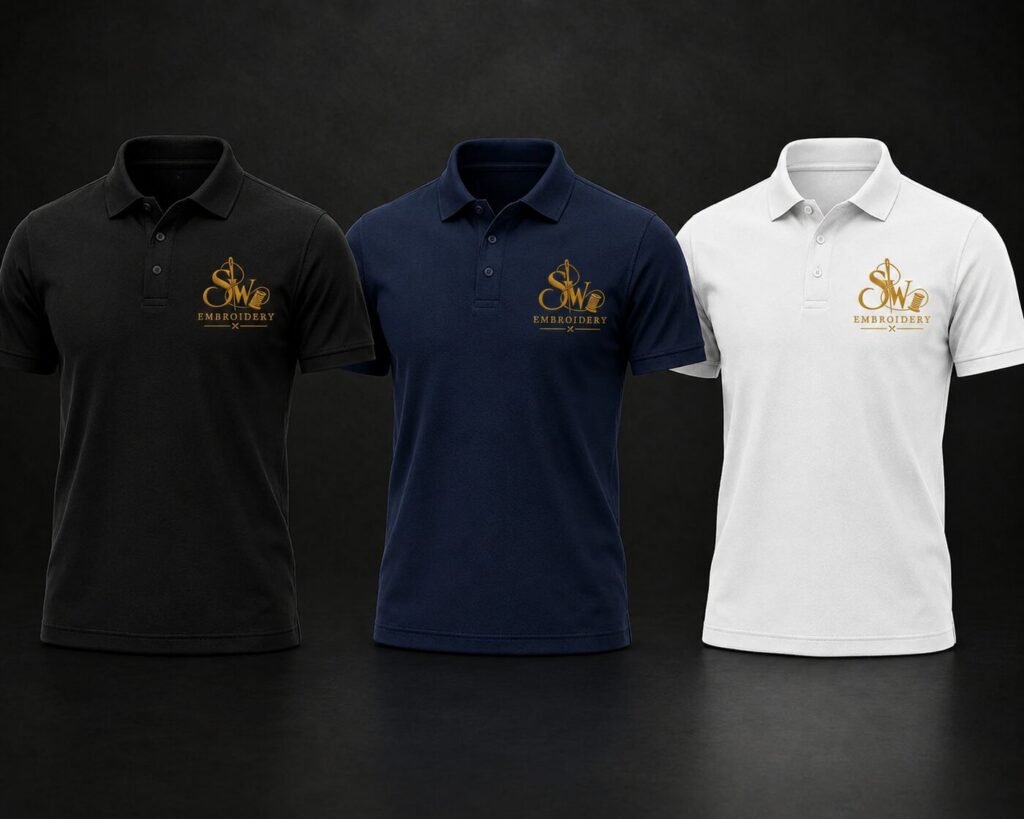
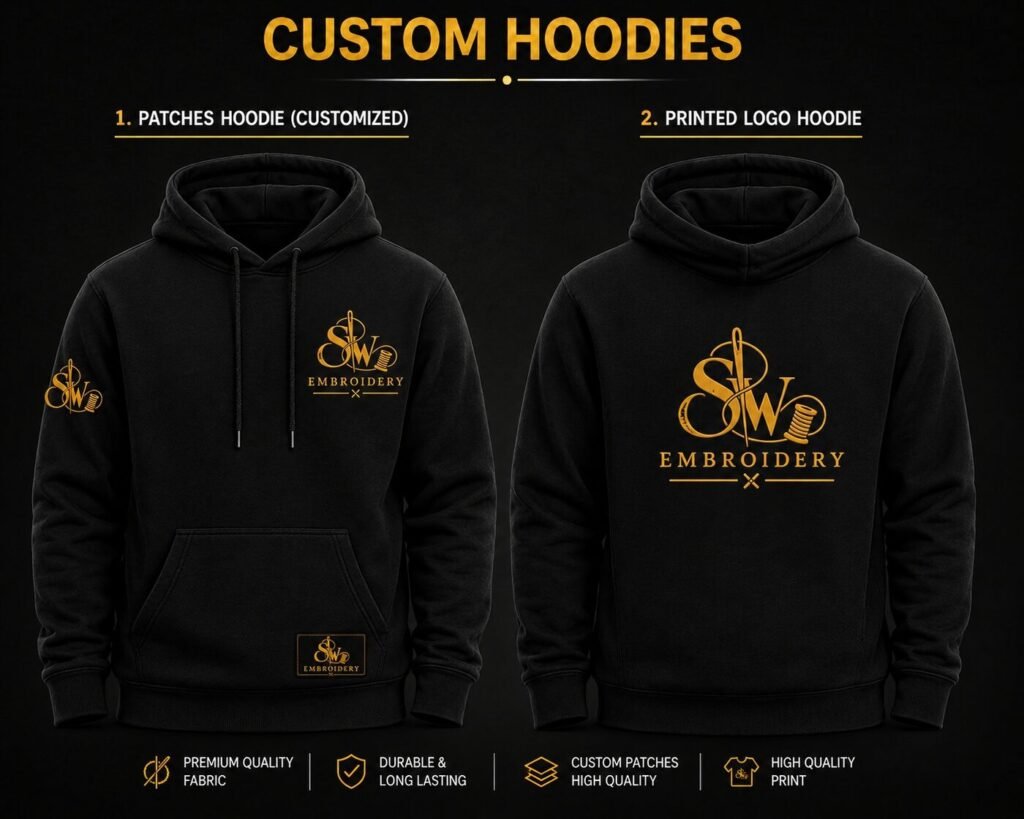
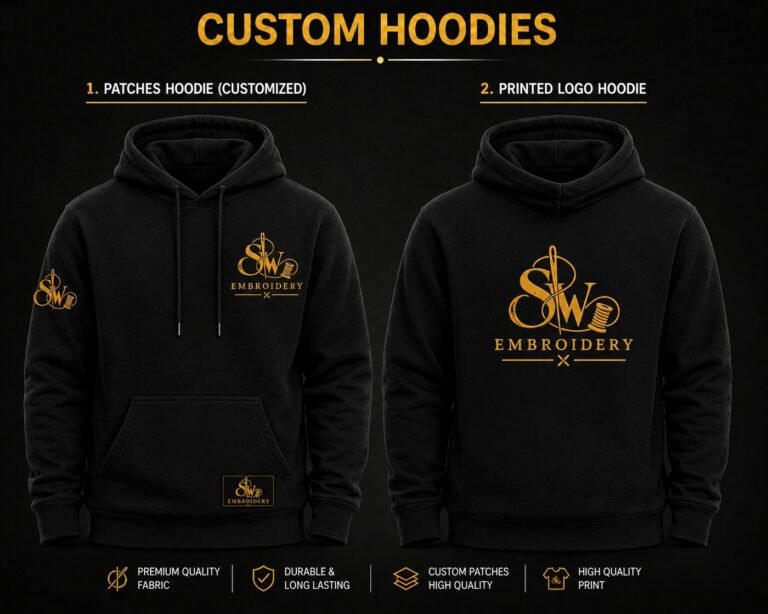
Patched or printed, your call
- Applied patch
- Printed logo
- Direct embroidery
- Sleeve badge
- Premium fleece
- Youth and adult sizing
- Colour matched thread
- Sample before bulk
From artwork to delivered patches — in four steps.
Send Your Artwork
Approve the Proof
Production
Tracked Delivery
Know what you are asking for.
Patch placement guides
Borders and edge types
Thread, twill and materials
Insignia and what it means
Patch care and removal
Recent work
Made here, shipped worldwide.
A sample of what comes off the machines — every construction we offer, plus the keychains and apparel that get made from the same artwork.
Tell us what you need made.
- Artwork file, photo or sketch
- Patch size in inches or millimetres
- Quantity, even a rough one
- Backing and the garment it goes on
- The date you need them by
Request a free quote
Custom embroidered, chenille, woven, leather and PVC patches, keychains and decorated apparel — with a free digital proof on every order and volume pricing published up front.